
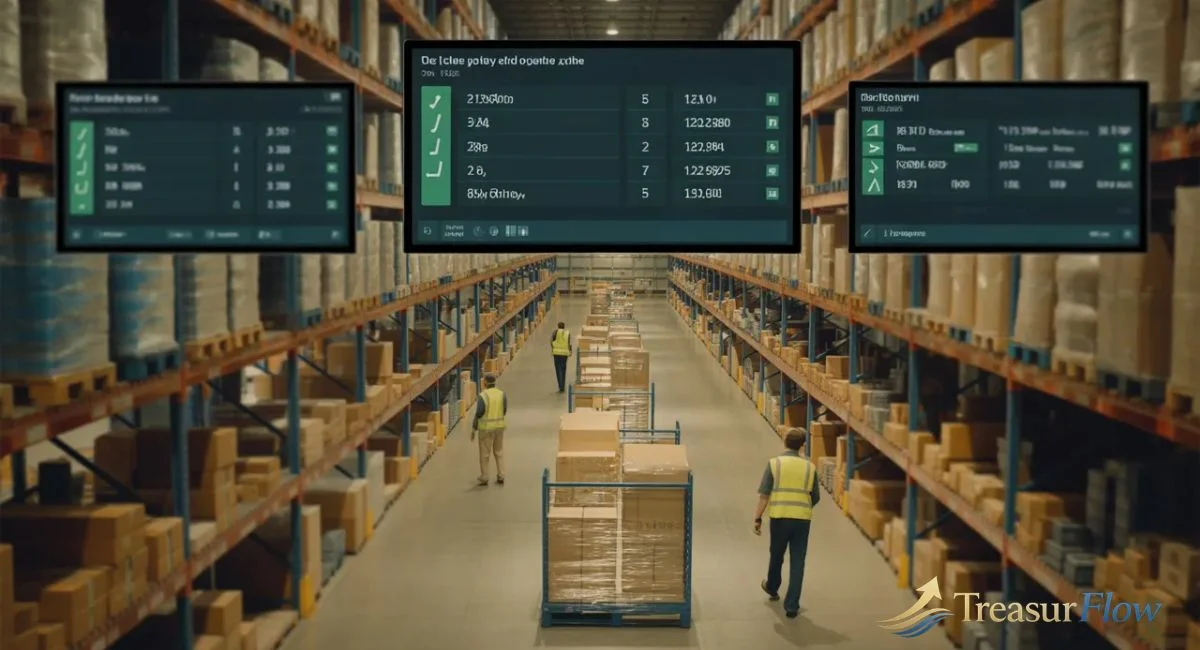
Your Clients Aren’t Leaving Because You Messed Up a Shipment
They’re leaving because they didn’t know about it until it was already too late.
That’s the thing nobody in logistics wants to say out loud. Visible supply chain fulfillment isn’t some fancy tech upgrade. It’s the difference between a client who stays for three years and one who quietly starts shopping around after month four.
3PL fulfillment visibility sounds like industry jargon. It isn’t. It’s just the ability to show your clients what’s happening with their orders — in real time, without them having to ask. When that works well, everything else gets easier. Client calls get shorter. Complaints drop. Renewals happen without negotiation.
This article covers what visible supply chain-fulfillment actually means in practice, why the 3PLs ignoring it are losing ground fast, and how to build it properly without overcomplicating things.
1. Why Most 3PL Partnerships Fall Apart Before They Even Start
The real problem isn’t operations — it’s communication
Most 3PL relationships don’t collapse because of a bad warehouse or slow carrier. They fall apart because the client has no idea what’s going on and eventually loses patience waiting to find out.
Here’s what most people miss. A brand signs with a provider feeling confident. The demo went well. The pricing made sense. Then day-to-day operations start and suddenly that same brand is sending three emails a week just to get a basic status update. That’s not a warehouse problem. That’s a supply chain transparency problem. And it’s incredibly common.
According to Capgemini’s 2023 Supply Chain Report, 73% of supply chain leaders say lack of visibility is one of their biggest operational headaches. That number hasn’t moved much despite all the technology that’s supposedly available. The tools exist. The problem is most 3PLs haven’t made visibility a priority — they’ve made it an afterthought.
What clients expect vs. what they usually get
Honestly, clients aren’t asking for miracles. They just want to know what’s happening without chasing someone down for an answer. The moment a client has to send a “just checking in” email — trust has already started slipping.
| What Clients Expect | What Most 3PLs Actually Deliver |
| Live order status they can check themselves | Weekly summaries sent by email |
| Immediate alerts when something goes wrong | Explanations after the delay has already happened |
| A shared dashboard they can log into | Manual reports pulled on request |
| Proactive updates without asking | Silence until the client complains |
| Clear SLA tracking with real numbers | Verbal reassurances with no data behind them |
That gap isn’t a small inconvenience. It’s the reason brands switch providers. And the fix isn’t complicated — it just requires treating 3PL fulfillment visibility as a core service, not a bonus feature.
2. The Hidden Cost of Running Fulfillment on Guesswork
Nobody calls it guesswork. But that’s what it is.
If your team is manually updating order statuses, reconciling spreadsheets at end of day, or first hearing about a delay from an angry client email — that’s guesswork. Expensive guesswork.
Here’s a rough breakdown of what that actually costs a mid-size 3PL operation every month. These figures come from operational audits across US-based logistics businesses.
| Cost Category | Estimated Monthly Impact |
| Labor hours on manual status updates | 40–80 hours |
| Client churn from poor communication | 1–3 accounts per quarter |
| Mis-ships and re-ships from data errors | $2,000–$8,000 |
| Time managing escalations | 15–25 hours |
| Revenue lost from delayed onboarding | $5,000–$20,000+ |
Those numbers add up. Fast. And they don’t include the quiet reputational damage that happens when a client tells a peer about their frustrating experience.
Why spreadsheets feel safe but aren’t
Spreadsheets are familiar. Everyone knows how to use them. They don’t require training or onboarding. That’s exactly why teams get attached to them. But here’s the honest problem — they break silently. A missed cell update doesn’t send an alert. A formula error doesn’t announce itself. By the time you catch the mistake, it’s already caused a downstream problem for a client.
Spreadsheet-free logistics isn’t just a trendy phrase. It’s what separates 3PLs that scale from ones that hit a ceiling and stay there. Real 3PL fulfillment visibility requires systems that update themselves, flag issues without human input, and give every stakeholder the same accurate picture at the exact same time. That’s not a luxury. That’s the baseline in 2026.
3. What Real-Time Visibility Actually Does for Your Revenue
This isn’t just about keeping clients happy — it’s about keeping them, period
Most people treat real-time order tracking as a client satisfaction feature. It is. But it’s also a direct revenue driver that most 3PL operators completely underestimate.
Gartner research shows companies with strong supply chain transparency report up to 20% lower operational costs and meaningfully higher customer satisfaction scores compared to low-visibility operations. That’s not a marginal gain. That’s a structural advantage that compounds over time.
Fulfillment SLA compliance improves when teams can see problems as they happen instead of discovering them hours later. Proactive exception alerts mean your operations staff is resolving issues before the client even realizes something went sideways. That shift — from reactive scrambling to proactive resolution — changes the entire tone of a client relationship. Clients stop feeling anxious. They start feeling like they’re in good hands.
The before and after of one missed carrier handoff
Think about two versions of the same problem. In version one, a shipment misses a carrier handoff. Nobody on your team notices. The client emails two days later asking where their order is. Your account manager spends an afternoon tracking down answers across three different systems. An apology goes out. Trust drops noticeably.
In version two, that same missed carrier handoff milestone triggers an automatic alert inside your exception management system within minutes. Your team reroutes the shipment, the client portal updates automatically, and a proactive message goes out before the client has even noticed anything. Same problem. Completely different client experience. That’s what visible supply chain-fulfillment does in the real world — it turns operational problems into proof that you’re on top of things.

4. How Smart Brands Actually Pick a 3PL in 2026
They’re not just comparing prices anymore
Supply chain partner selection has changed. The brands doing it well in 2026 are asking much harder questions than they were three years ago. Price and location still matter. But visibility infrastructure has moved up the priority list significantly — and for good reason.
Here are seven questions every brand should ask during a 3PL evaluation. If a provider stumbles on any of these, pay close attention to which ones.
| Question | What You’re Really Testing |
| Can I check order status myself without contacting you? | Real 3PL fulfillment visibility infrastructure |
| How do you notify me when something goes wrong? | Proactive exception alerts capability |
| What does your client portal actually show? | Shared fulfillment dashboard quality |
| How is inventory tracked and shared with me? | Inventory level tracking accuracy |
| What’s your average time to resolve an exception? | Order exception resolution time |
| What platforms do you integrate with natively? | 3PL tech stack integration depth |
| Can I see your visibility tools running live right now? | Real capability vs. polished sales pitch |
That last one is the most revealing. A 3PL that’s genuinely confident in their systems will show them live without hesitation. One that pivots to a slide deck instead of a live demo — that hesitation is information.
What a proper vetting process actually looks like
Smart brands don’t just collect ecommerce fulfillment quotes and pick the cheapest option. They run a real evaluation. They ask for client references at similar order volumes. They request a test integration with their existing order management system. They check whether the provider’s warehouse management system can push live data into a client-accessible dashboard.
The best 3PLs don’t just tolerate that scrutiny — they welcome it. A thorough vetting process means the client who signs is a genuine fit. And genuine fits stay longer, complain less, and refer other brands. Fulfillment partner trust starts before the contract. It starts the moment a brand watches how a provider answers hard questions.
5. The Difference Between a 3PL Vendor and an Actual Partner
Vendors do the job. Partners keep you informed.
This sounds like a small distinction. It isn’t. A vendor completes the work you paid for and responds when you reach out. A partner does the work and keeps you in the loop without being asked. For clients, the experience of those two relationships feels completely different.
A real fulfillment partner uses event-based status updates to keep clients informed automatically. Nobody waits for a client to ask “what happened to order 4872?” The system has already flagged it, the team has addressed it, and the client has already received a message. That’s client communication automation working the way it should.
What daily operations look like in a real partnership
Real partnerships run on shared information. Both sides reference the same data. The client sees the same order fulfillment progress the operations team sees — just formatted for their level of detail rather than the warehouse floor. No conflicting versions of events. One version. That’s the single source of truth principle and it matters more than most people realize.
Here’s how vendor relationships and partner relationships play out differently over the first 90 days.
| Experience Point | Vendor Relationship | Partner Relationship |
| Status updates | Only when client asks | Automated and consistent |
| Exception handling | Explained after the fact | Caught and resolved proactively |
| Inventory discrepancies | Found by the client | Caught internally first |
| Communication volume | High — client always chasing | Low — information flows on its own |
| Trust direction after 90 days | Declining | Growing |
Building the partner experience in that second column isn’t complicated. It just requires the right 3PL fulfillment visibility infrastructure doing its job quietly in the background.
6. How Automation Is Replacing Manual Fulfillment Work Right Now
The shift is already happening — most operators just don’t see it yet
Logistics workflow automation has moved fast in the last two years. Tasks that used to require a dedicated coordinator — manually updating statuses, chasing carrier confirmations, compiling daily reports — are now handled by integrated systems that run without human input.
Nobody talks about this enough, but the tasks disappearing fastest include picking and packing milestones confirmation, carrier handoff milestones logging, inventory sync across sales channels, and exception flagging inside the exception management system. Each of these used to eat hours every single day. Now they happen automatically and feed directly into the shared fulfillment dashboard that clients actually see and trust.
This isn’t about cutting your team — it’s about changing what they do
Here’s the honest truth that gets lost in automation conversations. Automation doesn’t eliminate the need for good operations people. It changes what those people spend their time on. Instead of entering data manually, they’re reading it and making decisions. Instead of chasing updates, they’re solving problems before clients notice them.
3PLs resisting automation aren’t protecting their teams. They’re protecting inefficiency. In a market where clients increasingly expect real-time order tracking as a standard feature, that position gets harder to hold every year. Scalable fulfillment infrastructure requires automation at its foundation — not bolted on later as an upgrade.
7. What Clients Actually Experience When Your Visibility Is Broken
Imagine being on their side of this for a minute
You’re an ecommerce brand. You outsourced fulfillment to save time and focus on growth. An order came in 48 hours ago. You don’t know if it’s been picked, packed, or shipped. Your customer is asking for a tracking number. You don’t have one. You email your account manager. Four hours later you get a response with information that should have been automatic.
That experience — frustrating, completely avoidable — is playing out at 3PL operations across the US every single day. And clients don’t always complain loudly when it happens. They just quietly start researching alternatives. Poor supply chain transparency is the kind of problem that builds under the surface and then suddenly you’re losing a client you thought was happy.
What clients actually want — and when they want it
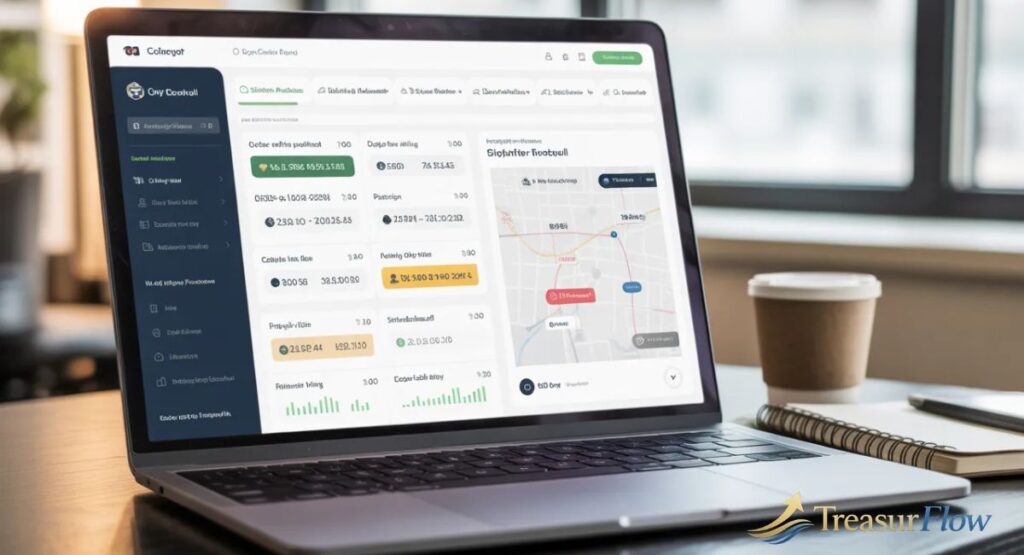
The fix isn’t complicated. Clients want event-based status updates tied to the moments that directly affect their business. They don’t need to see every internal warehouse action. They need the milestones that tell them something meaningful has changed.
| Fulfillment Event | Ideal Notification Window | Best Delivery Method |
| Order received and confirmed | Within 15 minutes | Portal and email |
| Inventory allocation confirmed | Within 1 hour | Portal update |
| Picking and packing complete | Same day | Portal update |
| Shipment handed to carrier | Immediately | Portal plus SMS or email |
| Delivery confirmed | Within 2 hours of scan | Portal and email |
| Delay or exception detected | Within 30 minutes | Immediate alert plus portal |
When clients get updates that consistently match that table, something changes in the relationship. They stop sending chase emails. The whole dynamic gets calmer. That calm is what long-term 3PL client retention actually feels like from the inside.
MIT Center for Transportation & Logistics
URL: https://ctl.mit.edu Why Use It: World-leading supply chain research. Backs up visibility and decision-making claims. Already cited in competitor content — use it to match authority. Anchor Text Suggestion: MIT Center for Transportation & Logistics research on supply chain visibility
Gartner Supply Chain Research
URL: https://www.gartner.com/en/supply-chain Why Use It: The 20% operational cost reduction stat comes from Gartner data. Extremely high domain authority. Trusted by every logistics professional in the US. Anchor Text Suggestion: Gartner supply chain transparency research
Capgemini Research Institute — Supply Chain Report
URL: https://www.capgemini.com/insights/research-library/supply-chain/ Why Use It: Source of the 73% visibility challenge statistic used in the article. One of the most cited supply chain research bodies globally. Anchor Text Suggestion: Capgemini 2023 Supply Chain Visibility Report
McKinsey & Company — Supply Chain Insights
URL: https://www.mckinsey.com/capabilities/operations/our-insights/supply-chain Why Use It: McKinsey publishes deep research on 3PL performance, automation, and supply chain resilience. Excellent for backing up ROI and automation claims. Anchor Text Suggestion: McKinsey supply chain operations research
8. Building a Fulfillment Stack That Holds Up at Volume
One tool isn’t enough — here’s what the whole stack looks like
Scalable fulfillment infrastructure isn’t a single platform. It’s several connected layers, each handling a specific job, passing clean data to each other. When one layer is missing or loosely integrated, the whole stack becomes unreliable under pressure.
The core of a modern fulfillment stack works like this. The warehouse management system handles physical operations — receiving, storage, picking, packing, dispatch. The order management system handles the logic — routing, prioritization, allocation rules. The transportation management system manages carrier relationships and live shipment tracking. Above all three sits the visibility layer — pulling data from every system and surfacing it in a client-facing fulfillment portal that’s accurate and always current.
What actually breaks when order volume jumps
Here’s what surprises most 3PL operators during growth phases. Physical operations usually handle higher volumes reasonably well. What breaks first is almost always the data layer. Reports that worked fine at 500 orders a day become unreliable at 5,000. Manual reconciliation processes that were annoying at low volume become completely unmanageable at scale.
3PL tech stack integration depth determines whether a fulfillment operation can grow without cracking. APIs need to be open and well-documented. The warehouse management system needs to talk to the order management system in real time — not in batches. The visibility layer needs to handle high event volumes without lag. Getting this right before you need it is what separates 3PLs that scale smoothly from ones that hit a wall they didn’t see coming.

9. The Tech Features No Modern 3PL Should Be Without
If a provider can’t check most of these boxes — walk away
Technology isn’t a differentiator in 3PL anymore. It’s the entry fee. Clients expect shipment visibility software, live dashboards, and automated alerts as baseline features in 2026. visible supply chain fulfillment Not premium add-ons. Not things you unlock at a higher pricing tier.
| Feature | Why It Actually Matters | Red Flag If It’s Missing |
| Real-time order status dashboard | Clients need live order fulfillment progress | Provider relies on manual update emails |
| Exception management system | Catches problems before they escalate | Exceptions get discovered by clients first |
| Inventory level tracking | Prevents stockouts and overselling | Inventory reconciled manually once a day |
| Carrier handoff milestones logging | Confirms handoffs happened in real time | Tracking gaps between warehouse and carrier |
| Open API architecture | Enables proper 3PL tech stack integration | Closed systems that create data silos |
| Client-facing fulfillment portal | Gives clients self-service access | Clients depend entirely on email updates |
| Fulfillment SLA compliance reporting | Proves performance with actual data | SLA performance only discussed verbally |
Integrations are where most platforms quietly fail
The best shipment visibility software in the world is useless if it can’t connect to what your clients are already running. Shopify, WooCommerce, Amazon Seller Central, NetSuite, QuickBooks — these are the platforms your clients live in. Your stack needs to connect to all of them properly. Not through CSV imports or workarounds. Through real API integrations that keep data synced automatically.
End-to-end fulfillment tracking only works when every system in the chain is talking to each other. A gap anywhere creates a blind spot. And blind spots are exactly what clients are paying you to eliminate. During any 3PL demo evaluation, integration depth should be the first technical question on your list — not an afterthought you ask about at the end.
10. How to Fix Scheduling Chaos Without Adding More Headcount
More people managing a broken system just makes the chaos more expensive
Scheduling chaos in fulfillment operations almost always comes from the same places. Manual inputs with no central calendar. No sub-contractor schedule visibility. No real-time deadline tracking. One missed confirmation creates a ripple — a pick window gets missed, an order falls behind, the client finds out too late.
The natural instinct is to hire another coordinator to manage the mess. That instinct is understandable but wrong. More people managing broken processes just means more expensive broken processes. The real fix is proper 3PL scheduling chaos solution infrastructure — systems that centralize everything, automate sub-contractor notifications, and surface deadline risks before they become missed deadlines.
What actually happens when scheduling works properly
Fulfillment schedule accuracy isn’t luck. It happens because the right systems are doing the right things automatically. A centralized scheduling platform gives every team member and every sub-contractor visibility into the same calendar. Automated reminders go out before deadlines rather than after. Exceptions get flagged early enough to actually do something about them.
This is exactly the problem that platforms like Home Builder Solution built their core value around — giving operations teams real-time visibility into who’s doing what and when, whether they’re in the office or out in the field. That same principle applies directly to 3PL fulfillment. When your scheduling system connects properly to your warehouse management system and your order management system, visible supply chain-fulfillment the operation becomes genuinely predictable. Predictability is what clients are actually paying for.
11. What the Best 3PL Providers Are Doing Differently Right Now
It’s not about being the biggest — it’s about being the most transparent
Top-performing 3PLs in 2026 aren’t necessarily the ones with the most warehouse space or the lowest rates. They’re the ones who’ve made visible supply chain fulfillment a core part of how they operate — not a feature they mention in sales calls.
The habits that show up consistently in high-performing operations include proactive exception communication, regular fulfillment visibility benchmark reviews with clients, shared KPI dashboards that both sides reference in the same conversation, and fulfillment SLA compliance reporting that happens on a schedule rather than when someone asks. None of these are technically complicated. They just require an organization-wide commitment to transparency over the comfort of staying quiet when things go wrong.
Benchmarks worth knowing — and being honest about
Most 3PLs measure their performance against their own history. That’s a comfortable approach that conveniently avoids knowing how far behind the best operators they really are.
| KPI | Industry Average | Top Performer Target |
| On-time shipment rate | 87% | 96%+ |
| Exception resolution time | 24–48 hours | Under 4 hours |
| Client portal adoption rate | 40–60% | 90%+ |
| Client NPS score | 22–35 | 55–70 |
| Fulfillment SLA compliance rate | 82% | 97%+ |
| Manual status requests per client/month | 15–25 | Under 3 |
That last row is the one I keep coming back to. Top performers get fewer than three manual status requests per client per month. Average operators get up to 25. That gap represents dozens of hours of avoidable labor and a fundamentally different client relationship. Supply chain decision-making data like this should inform how every 3PL evaluates what they’re building.
12. What a Good 3PL Experience Actually Looks Like From Demo to Day 90
The demo tells you more than any sales conversation
A great 3PL demo doesn’t just show what a platform looks like on a slide. It proves what it does in real life. The best demos walk prospective clients through a live shared fulfillment dashboard, show real event-based status updates firing in real time, demonstrate how the exception management system catches and tracks issues, and show exactly what the client-facing fulfillment portal looks like from the client’s actual login.
The demo itself is a trust signal. How a 3PL runs its demo tells you something real about how it runs its operations. A transparent, live, slightly-messy-but-honest demo signals operational confidence. A polished slide deck that avoids showing live systems signals something else entirely.
The onboarding roadmap that actually keeps clients around
3PL onboarding workflow quality determines whether a client relationship starts with momentum or starts with doubt. The best operators have a clear week-by-week plan that introduces visibility tools from day one — not after the first complaint triggers a conversation about what the client should have been able to see.
| Week | Onboarding Focus | Visibility Element Introduced |
| Week 1 | Account setup and system access | Client-facing fulfillment portal access granted |
| Week 2 | Integration setup | Order management system and WMS connected |
| Week 3 | First live orders processed | End-to-end fulfillment tracking tested in real time |
| Week 4 | Exception scenario tested | Proactive exception alerts confirmed and working |
| Week 5 | KPI baseline established | Fulfillment SLA compliance dashboard activated |
| Week 6 | Full handoff to operations team | Fulfillment visibility benchmark review completed |
When clients go through an onboarding process like that one, they don’t just learn the platform. They trust it. And trust built during onboarding is what carries a partnership through the inevitable bumps that come later — because every operation has bumps.
The Bottom Line on visible supply chain fulfillment
Visible supply chain fulfillment isn’t a feature you add after everything else is working. It’s the foundation that makes everything else work better. It’s what turns a transactional vendor arrangement into a relationship where clients actually want to stay.visible supply chain-fulfillment.
The fulfillment cost reduction and retention benefits are real and measurable. The technology to build this properly exists right now and isn’t as expensive as most operators assume. The only real question is whether your operation treats visibility as a priority or as something you’ll get to eventually.
If you’re still running on spreadsheets, manual updates, and reactive communication — the gap between you and the best operators in your market is growing every month. That gap is entirely closable. It starts with an honest look at where your visibility actually breaks down.visible supply chain-fulfillment And it ends with a system where clients never have to ask what’s happening because they already know.
Ready to see what visible fulfillment looks like for your operation? Book your live demo today and find out exactly where your gaps are — before your clients find out first.
Frequently Asked Questions
What is visible supply chain fulfillment?
visible supply chain-fulfillment means being able to track and share clear, real-time information about every meaningful stage of the order fulfillment process — from order acceptance through final delivery. It combines real-time order tracking, inventory allocation visibility, and proactive exception alerts into one system that both the 3PL provider and their clients can reference together, without anyone having to request a manual update.
Why does supply chain visibility matter so much for 3PL providers?
Supply chain transparency directly affects 3PL client retention. Clients who can see what’s happening with their orders in real time are far less likely to switch providers. They also send far fewer status request emails, which cuts internal labor costs significantly. It’s one of those improvements that pays for itself quickly.
What technology actually powers a visible fulfillment system?
A visible fulfillment system typically combines a warehouse management system, an order management system, a transportation management system, and a client-facing fulfillment portal that pulls data from all three and presents it clearly. Shipment visibility software and logistics workflow automation tools connect these layers and keep information flowing without manual input.
How does fulfillment visibility improve client retention?
When clients have consistent access to accurate order fulfillment progress data, they experience fewer surprises. Fewer surprises mean fewer complaints. Fewer complaints mean longer relationships. Research from Gartner and Capgemini consistently shows that supply chain transparency is one of the strongest drivers of long-term client satisfaction in 3PL partnerships.
What’s the first step to actually building a visible fulfillment operation?
Start by identifying your single source of truth for each key data type — orders, inventory, and shipments. Then define the events that matter most to your clients and build automated notifications around those specific moments. From there, a client-facing fulfillment portal gives clients self-service access to what they need without requiring manual effort from your team every time they want an update.
Sources: Capgemini 2023 Supply Chain Report, Gartner Supply Chain Research, MIT Center for Transportation & Logistics — https://ctl.mit.edu

Ideas to Help You Think Smarter About Money.