
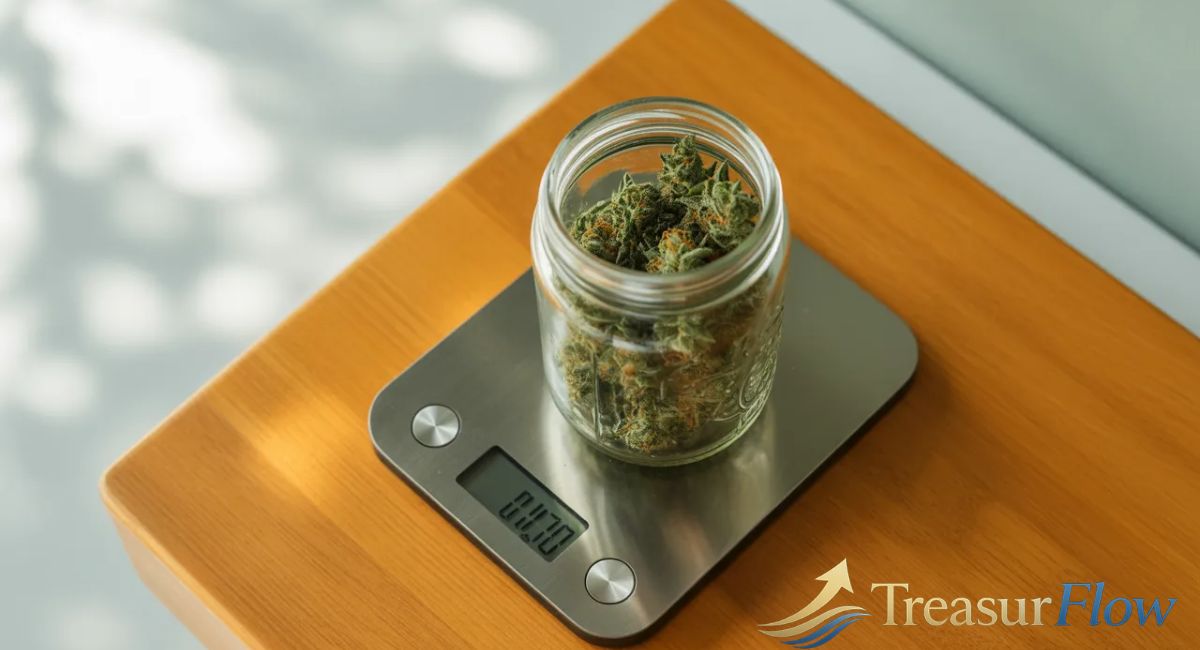
A zip is 28 grams. One full ounce. That’s it.
The name of How Much Is a Zip of Weed? Pure street practicality. Back before any of this was legal, dealers stored an ounce in a Ziploc sandwich bag because it fit perfectly. Everyone used the same bags. The word “zip” spread without anyone planning it. Now it’s in dispensary menus across 24 states like it was always there.
Prices in 2025 swing hard depending on where you live. Oregon buyers grab zips for $80 to $120. Hawaii buyers sometimes drop $400 for the exact same amount of flower. That gap isn’t random — there are real reasons behind it, and understanding them saves you serious money.
What a Zip Actually Looks Like in Real Life
Picture filling a quart mason jar about two-thirds full. That’s roughly 28 grams of average-density flower. Dense indica buds pack tighter and take up less space. Fluffy sativas fill the whole jar. Weight stays the same either way — the visual just tricks people.
First-time zip buyers get caught off guard by this. A bag that looks half-empty might weigh exactly right. Always verify the weight. Don’t judge it by how full the container looks.
How Much Is a Zip of Weed Costs State by State in 2026
Here’s what most guides won’t admit — location matters more than quality tier when it comes to zip pricing. A mid-grade zip in Oregon costs less than a budget zip in Hawaii. That’s not an exaggeration.
According to Leafly’s ongoing price data, mature legal markets have driven prices down sharply over the last three years. Newer markets haven’t caught up yet.
| State | Average Zip Price | Market Type |
|---|---|---|
| Oregon | $80–$120 | Mature legal |
| Colorado | $100–$150 | Mature legal |
| Oklahoma | $90–$140 | Medical only |
| Michigan | $100–$160 | Mature legal |
| New York | $240–$340 | Newer legal |
| Illinois | $230–$320 | High-tax legal |
| Hawaii | $280–$400 | Supply-limited |
Oklahoma is an interesting outlier. It’s medical-only but insanely affordable because the state licensed a huge number of growers early on. Supply stayed high. Prices stayed low. Medical patients there pay less per zip than recreational buyers in fully legal Illinois. Nobody talks about this enough.
Taxes explain a lot of the expensive-state numbers. Illinois charges up to 25% on high-THC products. California stacks a 15% excise tax on top of local taxes. In some California cities, nearly a third of your zip purchase price goes straight to government — not the grower, not the dispensary, not you.
Why the Price on the Tag Isn’t the Whole Story
Four things drive zip prices up quietly. Most buyers never think about any of them.
Growing method is the biggest one. Indoor cannabis costs a lot more to produce — electricity, climate control, year-round operation. All of that overhead lands in the price you pay. Outdoor-grown flower is cheaper because the sun handles most of the work. It’s seasonal, but the savings are real.
Brand markup catches people off guard too. Some cannabis brands charge 20 to 40 percent above comparable unbranded product sitting right next to it on the same shelf. Some of that premium reflects genuine quality. Some of it is just packaging design and a recognizable name. Checking the Certificate of Analysis — the lab test results every legal dispensary product should have — tells you a lot more than the brand name does.
Dispensary location matters and almost nobody factors it in. A shop in central Denver or downtown LA carries rent costs that a rural Michigan dispensary doesn’t. Higher overhead means higher shelf prices, even for identical product. If you have a rural option nearby, it’s worth checking.
Seasonal timing is the last one. October and November bring fresh outdoor harvests to market. Prices drop noticeably in legal states during those months. January and February are typically the most expensive — supply from the previous harvest gets absorbed, new product isn’t ready yet, and prices creep back up. How Much Is a Zip of Weed If you buy in bulk, timing it around harvest season genuinely helps.
How Many Sessions Does One Zip Give You?
This is where the math gets satisfying. Breaking 28 grams into actual usage numbers changes how expensive a zip feels.
| Method | Per Session | Total Sessions |
|---|---|---|
| Joint (0.5g) | 0.5g | ~56 joints |
| Bowl (0.3g) | 0.3g | ~93 bowls |
| Bong hit (0.5g) | 0.5g | ~56 sessions |
| Vaporizer (0.2g) | 0.2g | ~140 sessions |
Vaporizers win on efficiency by a wide margin. At 0.2 grams per session and a $200 zip, you’re paying roughly $1.43 per session. For 140 sessions. That math is genuinely hard to argue with.
How fast you go through a zip depends entirely on your habits. Casual users — two or three times a week — often stretch a zip across three or four months. Daily users finish one in three to four weeks.How Much Is a Zip of Weed Heavy users can burn through 28 grams in under two weeks without trying.

Does Buying a Full Zip Actually Save Money?
Every single time — if you use it regularly.
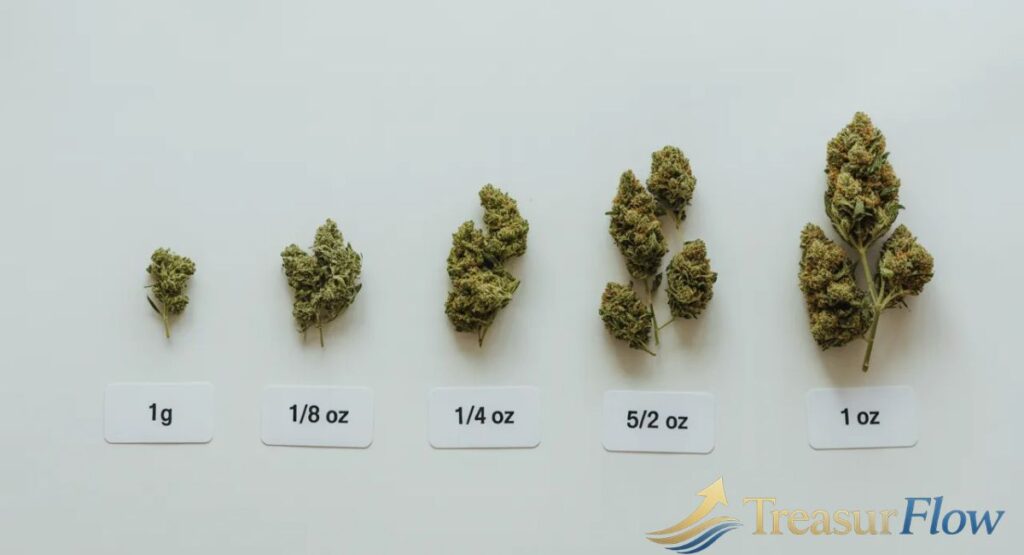
| Quantity | Avg. Price | Per Gram Cost |
|---|---|---|
| 1 gram | $15 | $15.00 |
| Eighth (3.5g) | $45 | $12.86 |
| Quarter (7g) | $80 | $11.43 |
| Half ounce (14g) | $130 | $9.29 |
| Zip (28g) | $200 | $7.14 |
Going from single grams to a full zip cuts your per-gram cost by more than half. That’s not a small saving — over a year it adds up to hundreds of dollars for a regular user.
The catch is freshness. Cannabis loses terpenes and potency over time, even stored well. If you only smoke twice a month, a zip might go stale before you finish it. Buying an eighth every couple weeks might actually serve you better. Know your own habits before committing to 28 grams.
Medical Cards Cut Zip Prices More Than People Realize
Getting a medical card is probably the single most underused money move in cannabis. Most people who qualify don’t bother. That’s genuinely leaving money on the table.
Medical patients in dual-market states skip recreational excise taxes entirely. They also get access to medical pricing tiers — typically 15 to 40 percent below what recreational buyers pay at the exact same counter. Oklahoma medical patients regularly pay under $100 for a zip. How Much Is a Zip of Weed Arizona patients save roughly 25% versus recreational buyers visiting the same dispensary.
Telehealth evaluations made this easy in 2025. The whole process takes under 30 minutes online. Card costs run $50 to $200 depending on your state.How Much Is a Zip of Weed For anyone buying zips with any regularity, the card pays for itself almost immediately.
Storing a Zip Properly — Because It’s Worth Protecting
A zip is real money. Bad storage wastes it faster than people expect.
Target humidity between 58 and 62 percent relative humidity. Boveda and Integra both make two-way humidity packs calibrated specifically for cannabis. Drop one in an airtight glass jar with your zip and it handles the rest. A quart mason jar works perfectly for 28 grams.
Keep it below 70°F. Keep it away from light. Both heat and UV rays degrade terpenes faster than most people realize. A cool, dark cabinet beats a windowsill every time.
Plastic bags are the worst option — which is ironic given the zip’s origin story. Plastic generates static that pulls trichomes right off the flower. Those trichomes carry the cannabinoids and terpenes that make cannabis actually work. Every day in a plastic bag means measurable quality loss. Use glass. Always glass.
Stored properly, a zip stays fresh for six to twelve months. How Much Is a Zip of Weed Signs it’s gone past its prime: harsh smoke, flat smell, crumbly dry texture. Properly cured and stored flower should still smell rich and feel slightly sticky months after purchase.
Where to Actually Find a Good Zip
Weedmaps and Leafly both let you compare dispensary menus and zip prices before leaving home. Checking three or four nearby shops takes five minutes. That five minutes regularly saves $30 to $50 per zip.
Ask budtenders what’s moving well that week. Dispensaries discount specific products to clear inventory constantly — deals that never show up in advertising. A good budtender points you toward value that isn’t on the featured display.
Red flags worth knowing: no lab results available, prices dramatically below market rate, cash-only with no receipt. Any of those signals mean walk away. The legal market is transparent for a reason. Use that transparency every time.
Sources: Leafly Price Data — Weedmaps Dispensary Finder — NORML State Laws — Oregon Liquor & Cannabis Commission

About the Author: Muhammad Zakir
Financial Researcher & Content Strategist specializing in consumer credit protection, fee transparency, and personal finance literacy.