

Managing money sounds simple until you actually try to stick to a budget. Many people start with good intentions but end up overspending, dipping into savings, or wondering where their paycheck disappeared. That’s why the envelope budgeting method has remained popular for decades.
But does it still work in a world dominated by debit cards, mobile payments, and budgeting apps?
This guide explores the envelope budgeting method pros and cons, how it works, who should use it, and whether it’s still an effective way to control spending and save money in 2026.
What Is the Envelope Budgeting Method?
The envelope budgeting method is a money management system where you divide your spending money into separate categories and assign a specific amount to each category.
Traditionally, people place cash into physical envelopes labeled:
- Groceries
- Dining Out
- Entertainment
- Gas
- Clothing
- Personal Spending
Once an envelope is empty, you stop spending in that category until the next budgeting period.
The idea is simple: when you can physically see your money leaving, you’re less likely to overspend.
How Does Envelope Budgeting Work?
Let’s say you have $2,000 available after paying essential bills.
You might allocate:
| Category | Budget |
|---|---|
| Groceries | $400 |
| Gas | $200 |
| Dining Out | $150 |
| Entertainment | $100 |
| Clothing | $100 |
| Miscellaneous | $150 |
You place the assigned amount into each envelope.
If your dining-out envelope reaches $0 before the end of the month, you either stop spending or move money from another category.
This creates built-in spending limits and increases awareness of where your money goes.
Why the Envelope Budgeting Method Became So Popular
The system became widely known through personal finance experts such as Dave Ramsey, who promoted cash-based budgeting as a way to control spending and reduce debt.
Many people struggle with swiping cards because digital transactions don’t feel as tangible as handing over cash.
Envelope budgeting forces you to confront spending decisions in real time.
For individuals trying to break bad financial habits, that psychological shift can be powerful.
Advantages of Envelope Budgeting
Helps Reduce Impulse Spending
One of the biggest benefits of envelope budgeting is that it creates a natural spending limit.
When people see cash disappearing from an envelope, they’re often more careful about unnecessary purchases.
This can significantly reduce impulse buying.
Makes Budgeting Easier to Understand
Many budgeting systems feel complicated.
The envelope system is straightforward:
- Allocate money
- Spend from envelopes
- Stop when the envelope is empty
Even budgeting beginners can understand it quickly.
Creates Better Spending Awareness
Most people underestimate how much they spend.
The envelope system forces you to track categories closely and understand where your money actually goes.
Encourages Saving Habits
By giving every dollar a purpose, envelope budgeting helps people become more intentional with their finances.
Many users report improved savings habits after consistently using the system.
Useful for Debt Repayment
People working to pay off debt often use envelope budgeting to eliminate unnecessary spending and redirect extra money toward loans or credit card balances.
Disadvantages of Envelope Budgeting
While effective for many people, the envelope budgeting method isn’t perfect.
Carrying Cash Can Be Inconvenient
Today’s economy relies heavily on:
- Credit cards
- Debit cards
- Mobile payments
- Online shopping
Carrying large amounts of cash isn’t always practical.
Difficult for Online Purchases
Many purchases now happen online.
Physical envelopes don’t work well for:
- Amazon purchases
- Subscription services
- Digital products
- Online bill payments
Limited Flexibility
Unexpected expenses can quickly disrupt a carefully planned envelope budget. That surprise is a classic case of how Murphy’s law applies to saving money.
You may need to transfer money between categories, which defeats part of the system’s purpose.
Security Concerns
Keeping large amounts of cash at home or carrying it around introduces risks that digital payments don’t have.
Time-Consuming for Some Users
Managing multiple envelopes, counting cash, and tracking balances manually can become tedious over time.
Envelope Budgeting Method Pros and Cons at a Glance
| Pros | Cons |
|---|---|
| Reduces overspending | Requires cash |
| Easy to understand | Less convenient in a digital world |
| Improves spending awareness | Harder for online purchases |
| Encourages savings | Can be time-consuming |
| Supports debt reduction | Less flexible during emergencies |
Does Envelope Budgeting Actually Work?
Yes, envelope budgeting works for many people.
Its effectiveness comes from behavioral psychology rather than complex financial formulas.
When spending feels more tangible, people naturally become more cautious.
However, success depends on:
- Consistency
- Realistic spending categories
- Regular budget reviews
- Commitment to the system
People who frequently ignore envelope limits or constantly borrow from other categories often struggle to see results.
Who Should Use Envelope Budgeting?
Envelope budgeting can be particularly helpful for:
Beginners
People who are new to budgeting often appreciate the simplicity of the system.
Overspenders
If impulse purchases regularly destroy your budget, cash limits can help.
People Paying Off Debt
The method can help eliminate wasteful spending and free up money for debt repayment.
Families
Families often use envelope budgeting to control household spending categories such as groceries and entertainment.
Who Should Avoid Envelope Budgeting?
The system may not be ideal for everyone.
Frequent Online Shoppers
Most online purchases require digital payments.
Digital-First Users
People who rarely use cash may find the system frustrating.
Business Owners
Variable expenses and complex transactions can make envelope budgeting difficult to maintain.
Can You Do the Envelope System Without Cash?
Absolutely.
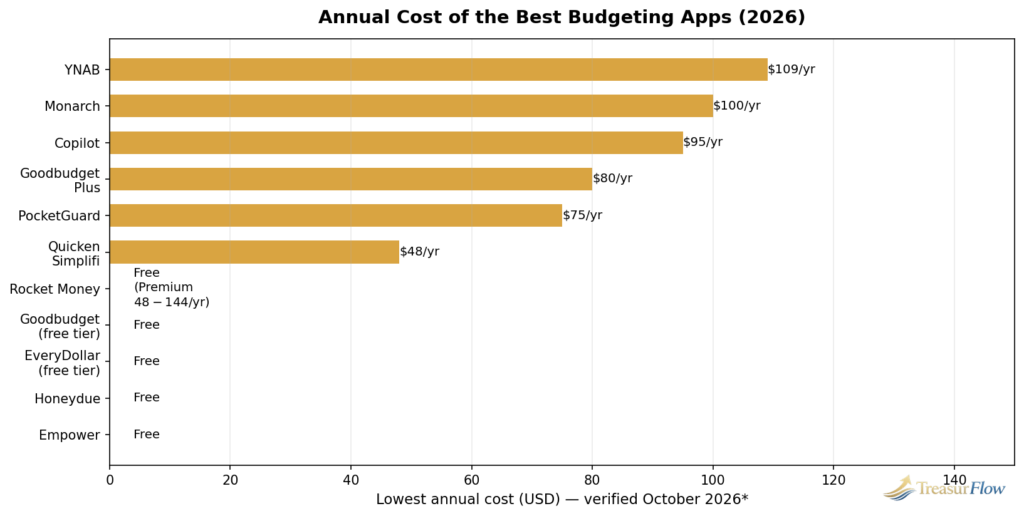
Many people now use digital envelope budgeting apps that replicate the traditional system electronically. To compare tools, see our guide to the best budgeting apps 2026.
Popular options include:
- YNAB
- EveryDollar
- Rocket Money
These tools allow users to create virtual envelopes while keeping the convenience of cards and online payments.
Envelope Budgeting vs the 50/30/20 Rule
The 50/30/20 rule divides income into:
- 50% Needs
- 30% Wants
- 20% Savings
Envelope budgeting is more detailed.
While the 50/30/20 rule focuses on broad percentages, envelope budgeting controls individual spending categories.
People who need tighter spending control often prefer envelope budgeting.
Common Envelope Budgeting Mistakes
Creating Too Many Categories
Managing dozens of envelopes quickly becomes overwhelming.
Forgetting Irregular Expenses
Car repairs, annual subscriptions, and holiday spending should be included in the budget.
Borrowing From Other Envelopes
Constantly moving money between categories reduces accountability.
Not Reviewing the Budget
Budgets should evolve as spending habits change.
Does the 100 Envelope Challenge Really Work?
The 100 envelope challenge is a savings method where participants fill numbered envelopes over time.
When completed, it can result in substantial savings.
The challenge works best for people who enjoy structured savings goals and want a motivational approach to building an emergency fund.
Is Envelope Budgeting Still Worth It in 2026?
For many people, yes.
The envelope budgeting method remains one of the simplest ways to gain control over spending and improve financial discipline.
However, the traditional cash-only approach may not fit modern lifestyles.
That’s why many users now combine the principles of envelope budgeting with digital tools and budgeting apps.
The best budgeting system isn’t necessarily the most advanced one—it’s the one you’ll actually use consistently.
If you struggle with overspending, impulse purchases, or sticking to a budget, envelope budgeting may still be one of the most effective strategies available.
Frequently Asked Questions
What is one disadvantage of envelope budgeting?
One major disadvantage is that it relies heavily on cash, which can be inconvenient in a world where most purchases are made digitally.
What are the advantages of envelope budgeting?
Envelope budgeting helps reduce overspending, increases spending awareness, encourages saving, and provides clear financial boundaries.
Is envelope budgeting legit?
Yes. Envelope budgeting is a legitimate budgeting strategy used by individuals, families, and financial experts to control spending and improve money management.
Can you do envelope budgeting without cash?
Yes. Many budgeting apps now offer virtual envelope systems that provide the same budgeting structure without requiring physical cash.
What is the biggest mistake in envelope budgeting?
The most common mistake is constantly moving money between categories, which undermines spending limits and accountability.
What is the best envelope budget app?
Popular options include YNAB, EveryDollar, and Rocket Money, depending on your budgeting preferences and financial goals.

Muhammad Zakir is the founder of Treasurflow and the author of its personal finance guides. He researches consumer banking, credit, and personal loans, and every guide cites primary sources such as the CFPB, FDIC, FTC, and IRS. His content is educational and is not personalized financial advice.
5 thoughts on “Envelope Budgeting Pros & Cons: Save Smarter in 2026”